
The first two lots in one Adelaide estate auction were puzzles and a whole bay of glassware. By lot 16 the catalogue had reached cameras and accessories. That’s the appeal of The Auction Rooms at 22 Hindmarsh Avenue, Welland. One collection trip can supply several listings. The catch is that you also take home the pieces you can’t sell. Sale 597 catalogue, 5 November 2026
Read a catalogue entry as a question
Take lot 2 in that sale. The description tells you where the glassware is grouped. It gives you little basis for valuing individual pieces. On inspection, start with the item you think pays for the lot. Can you identify the maker or pattern? Do you have six matching glasses or five and a near match? Tilt each rim towards the light to look for chips, then check the bases. One chipped glass changes both the number you can sell and the sold listings you should compare.
For the camera bay, write down the model marked on the body and the lens designation separately. A sale price for a tested camera with its lens, battery and charger is a poor estimate for a body you couldn’t test. Give everything you can’t identify, test or sell a value of zero in your first calculation. How to compare Australian eBay sold listings
Put the buyer’s premium in your maximum bid
The Auction Rooms publishes a 17% buyer’s premium, including GST, on the winning bid. A $100 hammer price therefore costs $117 before you get the stock home. Check the terms on the particular sale before bidding. Buyer’s guide · Conditions of sale
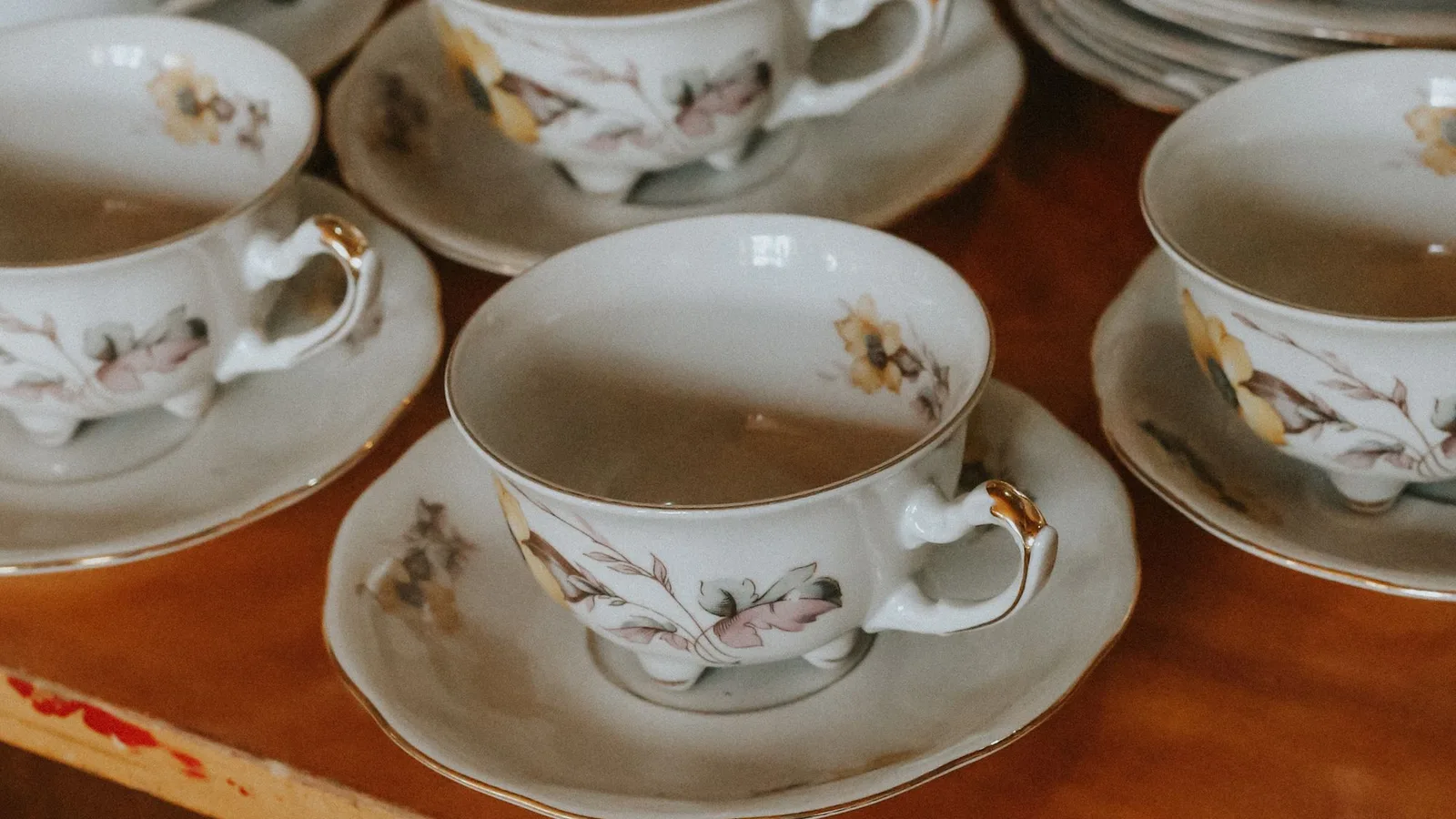
Here’s a hypothetical lot of tableware. Suppose two small sets could bring $48 each and a jug $24, based on comparable sales you’ve checked. You expect $120 in item sales. Assume buyers cover postage at cost. You still have to wrap three separate orders.
| Set aside before bidding | Amount |
|---|---|
| Estimated selling costs | $12 |
| Boxes and packing materials | $8 |
| Your share of the collection trip | $10 |
| Time to sort, photograph and pack | $20 |
| Profit you want after paying for your time | $25 |
| Left for the hammer price and premium together | $45 |
Divide $45 by 1.17. Your hammer ceiling is $38.46. If bidding moves from $35 to $40, stop at $35. At $35 the invoice is $40.95 and the lot leaves $29.05 after the costs and time above. At $40 the invoice is $46.80 and you’re already below your $25 profit target. If the jug has a hairline crack when you inspect it, take its expected sale out and redo the calculation before the auction starts.
Work backwards from collection
- Read the times on the sale page. For sale 597, buyers could inspect on Wednesday from 9 am to 5 pm and again from 8 am on Thursday before bidding started at 9 am. Use the current sale notice to plan your trip. Upcoming auctions
- Register and write down one limit per lot. The auction house accepts bids in the room and through Interbid. You can enter a maximum online in advance. Keep your limit beside the lot number so a similar-looking lot doesn’t get your bid. Registration and bidding options
- Book the boot space. For sale 597 the final collection window ended at 4:30 pm the following Monday. The house’s published terms list a $17 late fee. If you need a carrier or someone to pack a fragile lot, agree on that and get a price before bidding. Collection terms
At pickup, bring boxes, wrapping and a list of your lot numbers. At home, keep the whole invoice against the lot until you’ve divided the cost across the pieces you’ll list. That way the first jug you sell doesn’t make the rest of the shelf look like free stock. Reseller inventory spreadsheet