
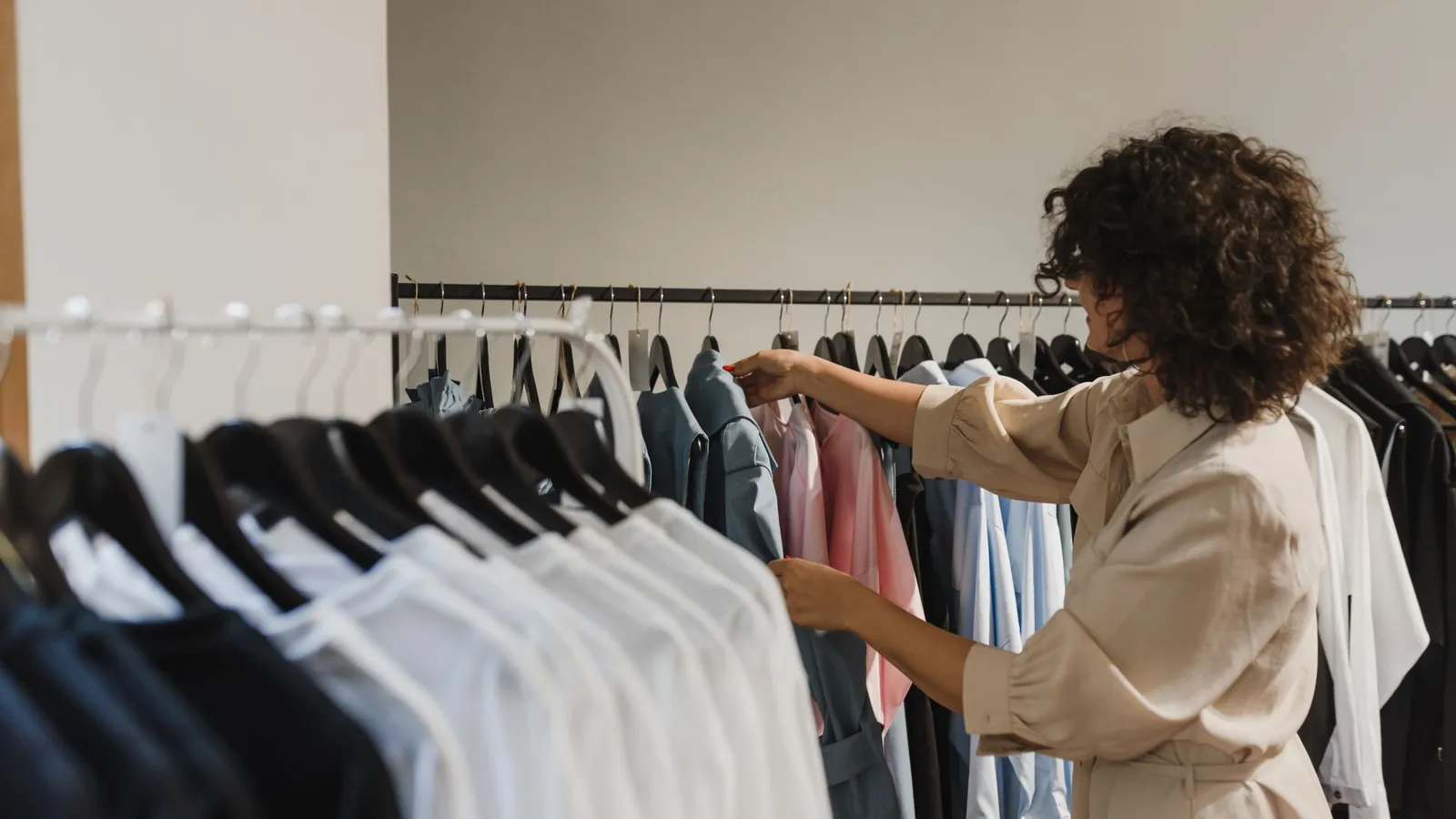
Use a photo to find a possible identity, then use sold evidence to decide what you can pay. An image search can suggest a brand, model or useful keyword. It does not establish the exact edition, condition, authenticity or price your item will achieve.
For an op-shop visit, keep the process short: photograph the item, check its labels, compare relevant Australian sales and calculate a maximum buy price. Below are real product-photo examples from Listalong’s existing demonstration library. They illustrate what a photo reveals and what still needs checking; they are not live image-search results, authenticated finds or a record of completed sales.
1. Take photos that answer different questions
Start with a clear view of the whole item against a plain background. Then photograph the evidence that distinguishes it from similar products:
- Clothing: brand label, care and fabric label, style code, size, construction and any damage.
- Shoes: tongue or internal size label, model code, outsole, heel and wear inside the shoe.
- Homewares: maker’s mark, base, dimensions, fittings and chips or repairs.
Keep the label photograph sharp enough to read. A full garment photo helps with shape; a care-label photo can establish fabric composition. Neither replaces checking the actual item.
2. Search the photo, then refine with text
On a computer, open Google, choose Search by image, upload the file and review possible matches. Add useful words such as the visible brand, a style code or the item type to narrow the results. Google also provides device-specific instructions for searching existing photos or using a camera in its official image-search guide.
Treat the first recognisable result as a lead. Open the source page and compare details: pocket placement, stitching, fastenings, logo position, materials and dimensions. If a result matches the silhouette but has different construction, it may be the wrong model.
Searching a readable code as text can be more useful than repeatedly searching the whole photo. Record the code exactly, including letters and separators, then check whether the result refers to that product rather than a generic collection.
3. Use the photo to decide what evidence is missing
A jumper with a visible brand label
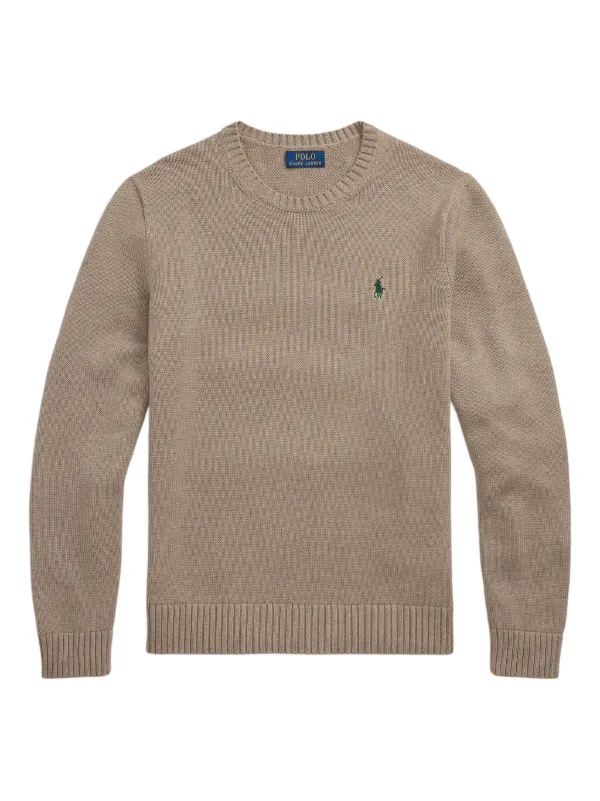
This photograph provides a readable brand clue, colour, crew neckline and textured knit. Those details make a useful starting search such as Polo Ralph Lauren beige crew neck knit jumper.
It does not establish the fibre composition, tagged size, measurements, age or authenticity. A cotton jumper and a cashmere jumper can look similar in a small search result while attracting different buyers. Check the care label before adding a material to the search or listing title.
A denim jacket with only a partial identification
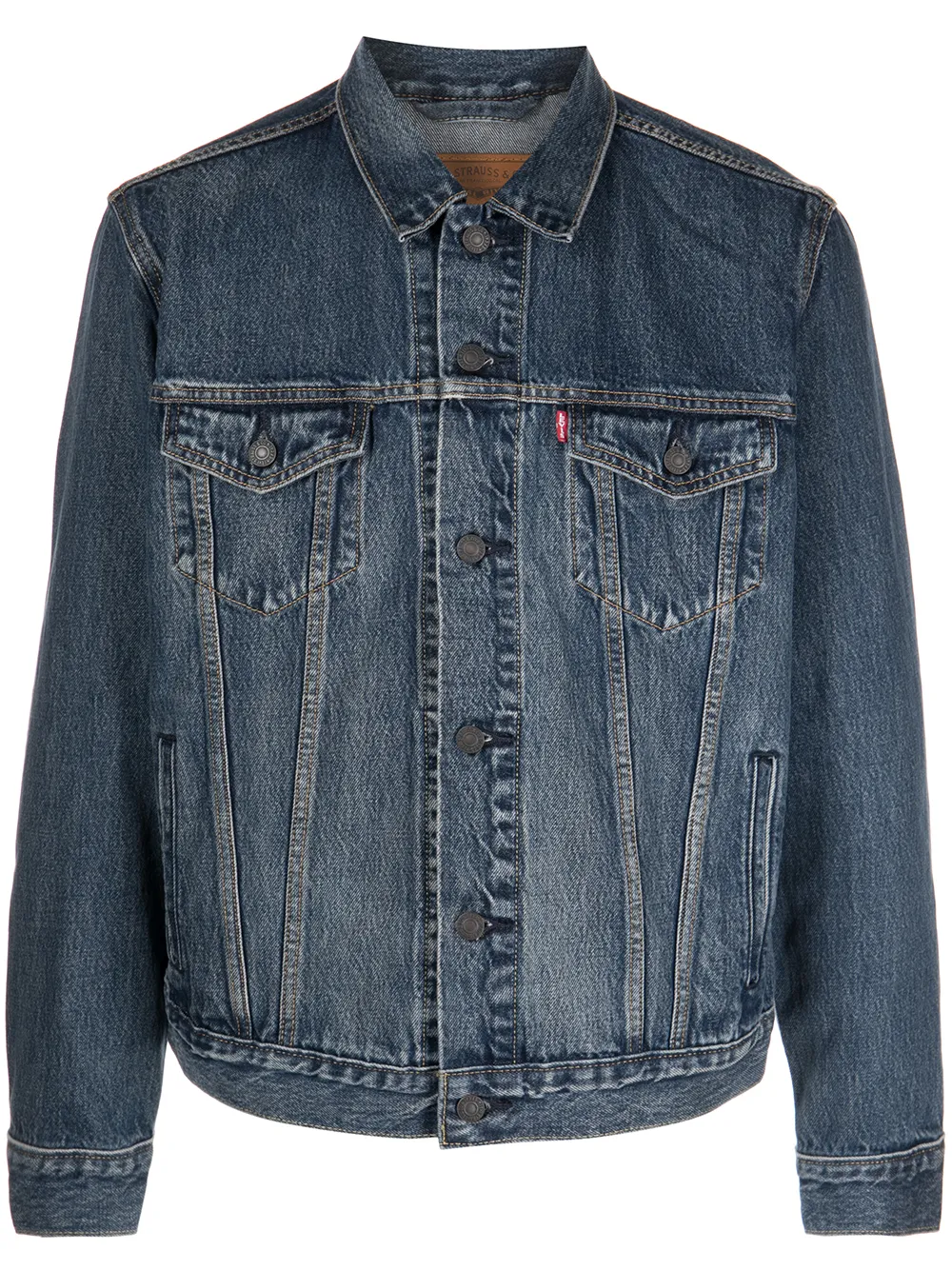
The patch and red tab give clues for a brand search, and the pocket layout helps compare candidate jackets. They do not prove a particular production era, model or collectible variant.
The next useful photos would show the full internal labels and any style or production codes. Avoid adding “vintage” or a premium model name simply because a similar-looking search result used it. If the precise variant remains uncertain, compare ordinary jackets with similar size, fabric and condition before assuming a rare-item price.
A boot where the silhouette is not enough
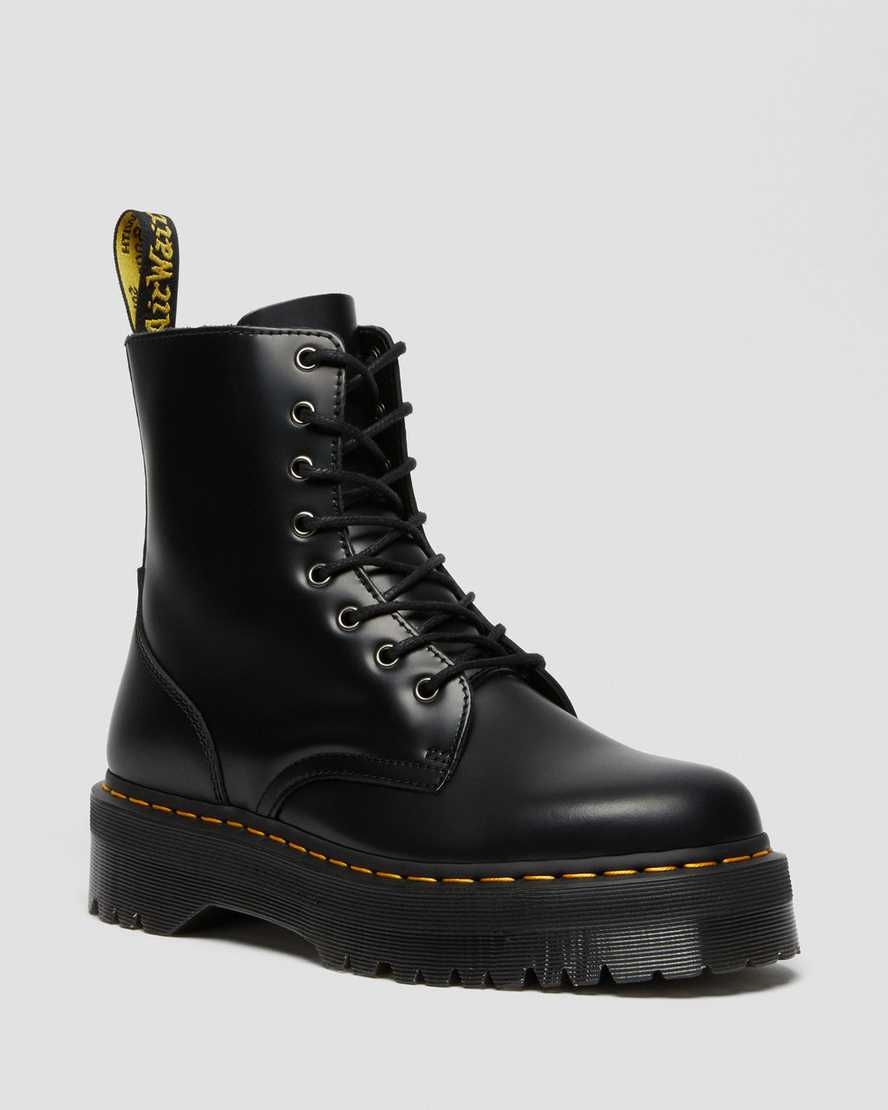
The boot’s stitching, heel loop and sole shape suggest a useful family of products to investigate. Exact model, size system, leather type and condition still need confirmation from the internal markings and the pair itself.
For a second-hand purchase, photograph both soles and inspect the lining, heel wear, seams and sole attachment. A clean catalogue-style photo cannot tell you what the pair in front of you has been through. Search the confirmed model and size once you have them, rather than averaging every vaguely similar black boot.
4. Compare sold items that match your likely buyer
Once you have a defensible description, search eBay Australia and select sold results. Its Advanced Search includes a Sold items filter. Our Australian sold-listings guide walks through the process.
Compare like with like:
| Match | Why it changes the estimate |
|---|---|
| Model, material and variant | Similar appearance can hide a different product |
| Size and measurements | The relevant buyer pool can differ |
| Condition and completeness | Damage, missing parts or heavy wear change the offer |
| Item location and delivery cost | Overseas prices may be poor Australian comparisons |
| Sold date and number of matches | One old result is weaker evidence than several recent relevant sales |
Keep item price and buyer postage separate, then compare the total buyer cost consistently. Exclude bundles, different models and new items when pricing a single used garment. A current asking price is evidence of what someone hopes to receive, not evidence that a buyer paid it.
Two real sales to leave out of the boot estimate: Leonard Joel recorded A$300 for a pair of Max Mara boots in Melbourne on 26 March 2026. They were brown, knee-high and a different brand. Simon Charles recorded £34 for boxed Dr Martens 1460 Pascal Max boots on 2 October 2026, but that was a UK auction for a specified model and size. Both are completed sales; neither prices our unidentified boot in Australia. Confirm the code and look for the same model in comparable condition locally.
If you need deeper sales research, see our eBay Product Research guide. If there are no convincing comparable sales, label the estimate as uncertain instead of filling the gap with the highest search result.
5. Turn the expected sale price into a buy limit
A hypothetical jacket might sell for $50 plus $10 postage. Assume ordinary fees of $8.50, actual postage of $10, packaging and preparation of $1.50, and a desired $20 contribution before your time, overhead and tax.
Maximum purchase price = $60 − $8.50 − $10 − $1.50 − $20 = $20.
These are planning assumptions, not researched prices for any photographed item. Advertising, repair work, a return allowance or a value for your time would reduce the buy limit further.
Use the reseller ROI calculator to try your own figures and a lower-sale-price scenario. If the purchase only works at the top of an uncertain price range, research further or leave it behind.
Save what you learned before writing the listing
Keep the useful source links, exact label text, measurements and your own photos. Record unknown details as unknown. When drafting the description, use claims you can support from the item, rather than copying wording from the closest visual match.
Give the item a SKU and save its purchase cost in the free inventory spreadsheet. You can then compare the sourcing estimate with the actual result after fees and postage. That feedback is more useful for your next op-shop visit than a collection of optimistic asking prices.
Frequently asked questions
Can Google Lens tell me what an op-shop item is worth?
It can help you find visually similar items and possible product names. Confirm the identity, then check comparable sold items and selling costs before estimating resale value.
Does a matching photo prove an item is authentic?
No. A visual match does not authenticate a garment, accessory or collectible. Inspect the actual item and use appropriate specialist verification when authenticity affects the buying decision.
What should I do when I cannot find an exact match?
Broaden the search to the closest comparable category, but use a conservative price and record what remains unknown. If the purchase only works at an unverified premium price, leave it behind or research further.