
At a kilo sale, start with the price on the scales and finish with the number of pieces you can actually list. A two-kilo bag at $6 per kilo costs $12. If it contains six saleable garments, they cost $2 each. If you get home and find that only three are fit to list, the same bag costs $4 per listable piece.
Where does buying by the kilo work in Australia?
Sydney outlets. Anglicare lists Villawood and Manly as thrift outlets and says some clothing in its outlet range is sold by the kilo. Start with the operator’s location links. Before making a trip, ask which clothing is sold by weight that day, the rate per kilo, and whether pieces on separate racks carry their own prices. Anglicare op shops and thrift outlets
Melbourne event example. Uniting Vic.Tas ran a clothing sale at its Brunswick warehouse on 14 February 2026 at $6 per kilo. That date and price are useful for understanding the maths. For a future visit, look for a new event listing from the organiser with its own date and price. Uniting’s Brunswick kilo sale
An outlet can mix pay-by-weight stock with individually ticketed pieces. Another shop may advertise a fixed price per item or a price per bag. Check which offer applies to the garments in your hands before comparing the apparent bargain.
A light top and a heavy jacket on the same scales
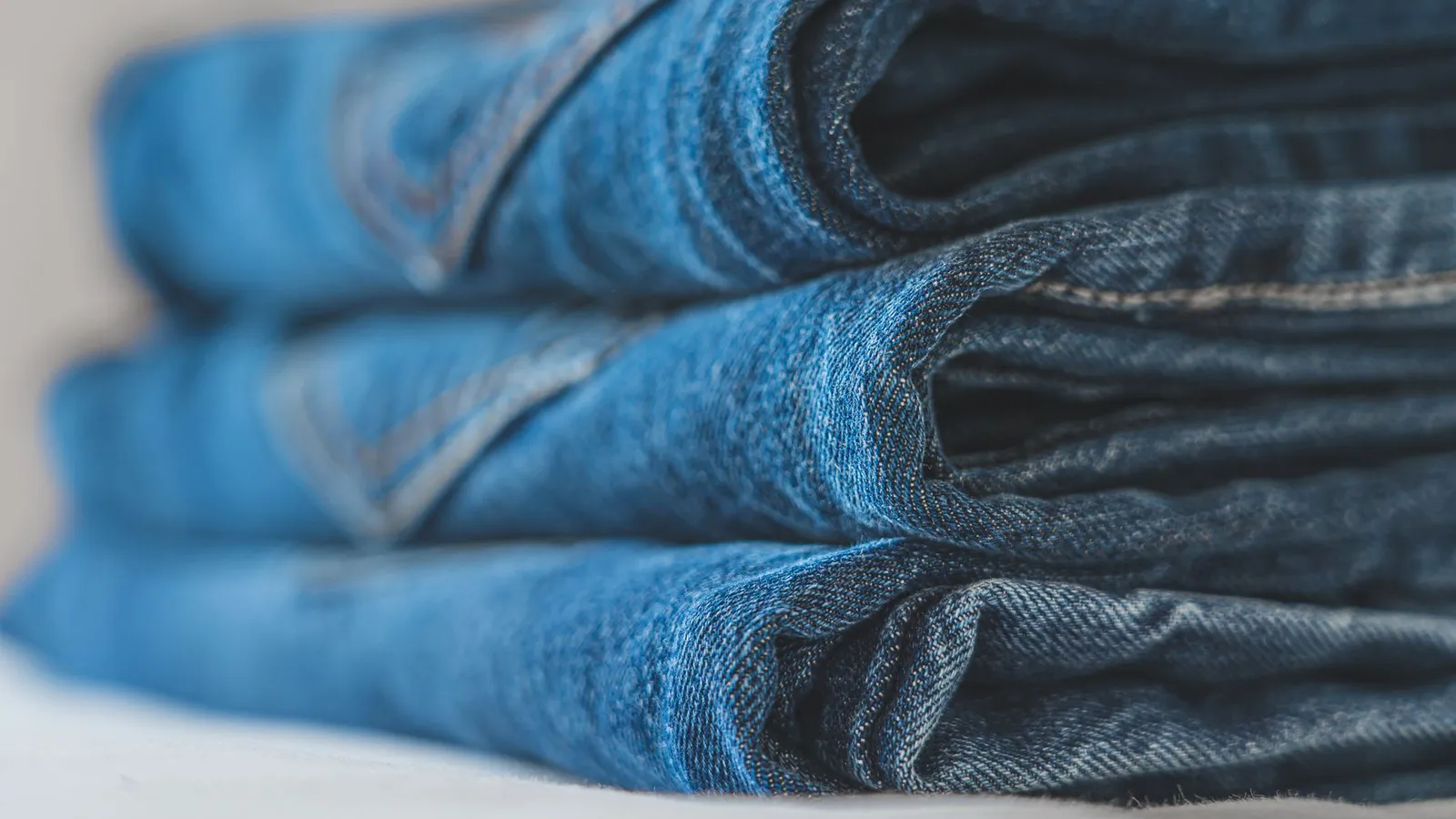
Using the historical $6/kg rate as an illustration, a 200 g top costs $1.20, 800 g jeans cost $4.80 and a 1.2 kg jacket costs $7.20. Those are example weights. The real garment, including its lining and hardware, determines what you pay.
A cheap lightweight top can still be a poor buy if it takes half an hour to remove marks and photograph. A heavier jacket can earn its space when the exact model has convincing sold comparisons. Look up the item’s likely sale price while you can still put it back. How to check Australian sold listings
Check the pieces before weighing the bag
- Open up each garment. Check cuffs and collars, hold fabric up to the light, run the zip, and check the seat and inner thighs of trousers. Price any repair in time as well as materials.
- Read the labels you need for a listing. Confirm size, fabric and any model code that affects value. A high-priced visual match is a lead until those details line up. Photo identification guide
- Compare the pieces you are least sure about. If you would hesitate to photograph, repair or store a garment, set it aside and weigh the smaller selection. Adding weight to an already good bag still costs money.
- Keep the receipt and final weight. Photograph any posted rate for your own records where photography is permitted. Write down how many items pass a second inspection at home.
Work out what the trip cost you
Suppose your bag was $12 and you spent another $6 travelling specifically to collect it. Of five garments, two have damage that you cannot sell as they are. If the remaining three share the cost equally, ($12 + $6) ÷ 3 = $6 per garment. Buying five individual pieces for $5 each elsewhere might actually have been cheaper per usable item.
For one valuable jacket and two inexpensive tops, an equal split can hide how much you depended on the jacket. Use the bundle split calculator to allocate the $18 in proportion to expected sale prices. Whichever method you choose, the amounts assigned to the three items should still add to $18.
Give the pieces separate SKUs, record the purchase costs in the inventory spreadsheet, and check the result once they sell. That tells you whether your next kilo-sale budget belongs in denim, lightweight basics or somewhere else entirely.
Frequently asked questions
Where can I look for op-shop clothing sold by weight?
Anglicare describes some clothing sold by the kilo in its Sydney outlet offering at Villawood and Manly. Check which section is available and the day’s rate with the outlet before making a special trip.
How do I calculate the cost per sellable garment?
Add the price paid for the lot to any buying costs you allocate to it, then divide by the number of pieces you can realistically list. Record the result after inspection so damaged pieces do not make the average look artificially low.